Blog

  • Why neighbourhood civic association Matters

    Why a Neighbourhood Civic Association Matters

    Let’s be honest: when we hear ‘neighbourhood civic association’, many of us might picture a stuffy room and endless meetings, but our team has found it to be the beating heart of real, tangible change right on our doorstep. It’s the difference between feeling powerless about a new block of flats overshadowing your garden and having a structured, influential voice in the planning process. It transforms grumbling about litter into organised street clean-ups. In short, it’s the mechanism that turns individual concern into collective community power.

    It’s More Than Just Meetings: What a Civic Association Actually Does

    The remit of a civic association is refreshingly practical. Far from being a talking shop, it’s a task-focused group that tackles the issues that directly impact daily life. Our work typically falls into three core areas: keeping an eye on local development, mobilising volunteers for hands-on projects, and acting as the official channel between residents and the authorities.

    Advocating on Local Planning

    One of our most crucial roles is scrutinising planning applications via the local council portal. When a developer submits plans for a large extension, a change of use for a shop, or a new housing estate, we analyse the details. We assess the impact on traffic, sunlight, privacy, and the character of the area. We then formulate a unified, evidence-based response from the community, which carries significantly more weight than dozens of individual, uncoordinated objections.

    Organising Community Action

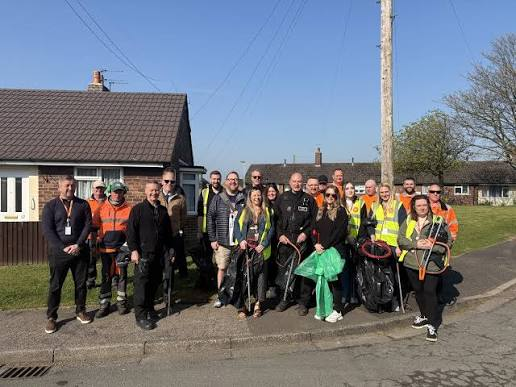
    This is the visible, boots-on-the-ground work. Our team coordinates volunteer efforts for street clean-ups, tree planting, or maintaining a local green space. We might organise a ‘skip day’ for bulky waste or set up a community noticeboard. This hands-on action not only improves the local environment but also builds camaraderie and a shared sense of ownership among neighbours.

    Being the Official Liaison

    We serve as the recognised point of contact for the local council, police, and other service providers. We regularly attend PACT (Partnerships and Communities Together) meetings with police and councillors to report persistent issues like anti-social behaviour, speeding cars, or poor street lighting. Having an official association means these concerns are logged, followed up, and not easily dismissed.

    The Real Value: Why ‘Price’ is Measured in Community, Not Pounds

    When people search for ‘neighbourhood civic association price’, they’re often viewing it as a transactional service. The truth is far more profound. The financial cost is minimal, but the return on investment for your street and your wellbeing is immense.

    The Minimal Financial Cost

    For most associations, including ours, the annual membership fee is typically between £5 and £10 per household. That’s less than the cost of a high-street sandwich. This modest sum covers essential costs like hall hire for meetings, website hosting, printing newsletters, or public liability insurance for events. It’s a token commitment that grants you a formal stake in the association’s work.

    The Immeasurable Social Return

    Contrast that small fee with the value created. In active civic communities like Jesmond in Newcastle or Stockbridge in Edinburgh, associations have been instrumental in securing funding for park improvements, establishing community cafes, and preserving local heritage. The value isn’t in a receipt; it’s in a safer, cleaner, more vibrant, and better-represented neighbourhood where your voice is amplified.

    Strength in Numbers: How a United Voice Gets Results

    An individual complaint can be ignored. A petition can be noted and filed. But a formal neighbourhood civic association, representing hundreds of households, commands attention. We are a stakeholder that local authorities and developers are legally and ethically obliged to engage with.

    Influencing Council Decisions

    When campaigning for amenities or changes, our collective voice is powerful. For instance, many associations have been at the forefront of advocating for Low Traffic Neighbourhoods (LTNs) to reduce rat-running and improve air quality. Councils listen to well-argued, resident-led proposals that demonstrate widespread local support, not just isolated opinions.

    Challenging Unwanted Developments

    Facing a dubious planning application? A united association can fundraise for professional planning advice, coordinate legal objections, and present a formidable case at planning committee hearings. Historic successes up and down the country include saving local pubs from conversion to flats, preventing inappropriate high-rise buildings, and ensuring new developments include adequate affordable housing and green space.

    Beyond the Bins: Building Social Fabric and Local Pride

    While planning and potholes are vital, the magic often happens in the softer, social aspects. Our team works to foster the connections that transform a group of houses into a genuine community.

    Creating Connections

    By running events—a summer fete, a Christmas light competition, a neighbourhood plant swap—we create opportunities for people to meet. This reduces isolation, especially for the elderly or new residents, and builds the informal networks that make a street safer and friendlier. You’re more likely to help a neighbour if you’ve actually spoken to them.

    Fostering Local Pride and Identity

    A civic association helps tell the story of a place. We might commission a local history project, install community artwork, or celebrate a unique local trait. This cultivates pride of place, which in turn encourages people to invest more care in their surroundings, creating a virtuous cycle of improvement and belonging.

    What Do the Reviews Say? The Proof is in the Participation

    You won’t find ‘neighbourhood civic association reviews’ on a typical consumer website. The reviews aren’t written in stars; they’re etched into the local environment and seen in the engagement of your neighbours.

    Measuring Success by Outcomes, Not Stars

    Our reviews are the tangible results we achieve together. Consider this list of common association victories:

    • A successful campaign for traffic calming measures after years of near-misses.
    • A renovated children’s playground, funded through grant applications we spearheaded.
    • A derelict lot transformed into a community garden.
    • Consistent representation at council meetings leading to faster repairs of streetlights.

    The Best Review is a Thriving Street

    The ultimate testimonial is a street where people know each other, look out for one another, and feel empowered to shape their collective future. It’s a full room at the Annual General Meeting, a buzzing community newsletter, and the sense that where you live isn’t just a passive backdrop, but a home you actively help to build.

    Frequently Asked Questions

    What does a neighbourhood civic association actually do?

    We act as the organised voice of our local area. Our core work involves monitoring local planning applications, organising community improvement projects (like clean-ups), and acting as the official liaison with the council and police through meetings like PACT. We turn individual concerns into coordinated action.

    How much does it cost to join?

    Membership is very affordable, typically between £5 and £10 per household per year. This small fee covers essential administrative and operational costs, allowing us to function effectively and represent the community.

    I’m busy; how much time does it require?

    As much or as little as you can give! Simply being a paid member strengthens our numbers and legitimacy. You can also choose to just read newsletters, attend the occasional meeting, or volunteer for a one-off event like a street clean. Every bit of involvement helps.

    Can a civic association really stop unwanted development?

    While we can’t stop all development, a well-organised association significantly increases the community’s influence. We ensure planning rules are followed, coordinate professional objections if needed, and present a powerful, unified case to decision-makers, which has a proven track record of modifying or even halting unsuitable plans.

    How is it different from a Residents’ Association?

    The terms are often used interchangeably in the UK. Generally, both have the same core aims. “Civic association” sometimes implies a slightly broader focus on the wider neighbourhood’s infrastructure and civic life, but in practice, both work to improve their immediate local area and represent residents’ interests.

    Ultimately, we want to leave you with the conviction that joining or supporting your local civic association isn’t just a transaction to ‘buy’ a service, but an investment in the place you call home. It’s about taking a shared stake in your neighbourhood’s future, ensuring it remains a safe, vibrant, and thriving community for everyone.

  • The Story Behind Friends of NRGNR

    Our Story: How Friends of NRGNR Began

    It all started with a shared frustration over a neglected local park and a simple conversation at the bus stop. That grumble about the broken swing and overgrown brambles in what was supposed to be our green haven sparked something. We realised that waiting for someone else to fix our neighbourhood wasn’t working. So, we decided to become that ‘someone else’. What began as a handful of concerned locals is now a thriving neighbourhood civic association. This is the story of how we went from a chat to a force for positive change.

    The Spark That Lit the Fuse

    For us, the tipping point was the children’s play area in Alexandra Road Park. It had been on a slow decline for years—faded paint, a rusting roundabout, and litter piling up in the corners. The final straw was the council’s notice about potentially removing equipment deemed unsafe, with no clear plan or budget for replacement. It wasn’t just about a playground; it felt symbolic of a wider neglect. We knew we had to act, but first, we needed to know if others felt the same.

    The Park Bench Meeting

    Before we could organise anything, we needed to talk. A few of us gathered on a (slightly wobbly) bench in that very park, armed with notepads and a sense of purpose. We mapped out our core concerns: not just the playground, but also speeding on residential streets, the need for more community events, and a general feeling that our area’s voice wasn’t being heard. That hour on the bench transformed vague annoyance into a concrete list of issues we could tackle.

    From Online Chat to Real-World Action

    To move beyond our small group, we turned to our neighbours online. Nextdoor.co.uk was our initial rallying point for community sentiment. We posted about our park bench meeting and the issues we’d discussed. The response was immediate and overwhelming. Dozens of comments, shares, and private messages flooded in, confirming that this wasn’t just our frustration—it was a shared, neighbourhood-wide concern. That digital conversation was the proof we needed to form a proper, action-oriented group.

    Building Our Neighbourhood Civic Association

    With community sentiment on our side, it was time to build a framework. We wanted to be effective, transparent, and legitimate. That meant moving from a loose collective to a properly constituted neighbourhood civic association with clear goals and responsibilities.

    Crafting Our First Constitution

    Our first task was drafting a simple constitution. This wasn’t about red tape; it was about clarity. We defined our aims: “To promote the civic, social, and environmental wellbeing of the NRGNR neighbourhood.” We outlined a basic committee structure with roles like Chair, Treasurer, and Secretary. Most importantly, we committed to being non-party-political and inclusive. Having this document gave us credibility when we later approached the council and potential sponsors.

    Finding Our First Members

    We announced our first official meeting back on Nextdoor and with posters in local shop windows. We were nervous no one would come. We needn’t have been. Over thirty people turned up, full of ideas and energy. From that group, our first committee was elected, and a dozen more signed up as project volunteers. This mix of skills—from retired project managers to keen gardeners and local parents—became the bedrock of our association.

    Our First Wins and Learning Curves

    Armed with a committee and volunteers, we were eager to start. We quickly learned that victory often comes in small, hard-won steps, and that persistence is just as important as passion.

    The Great Playground Campaign

    Our first major project was refurbishing the children’s play area in Alexandra Road Park. We started small: a community litter pick, borrowing equipment from the council. Then, we fundraised with a summer fete. We gathered hundreds of signatures on a petition and presented a costed proposal to our local councillor. After months of emails and meetings, we secured a commitment for matched funding. Seeing the new, safe equipment installed was a monumental first win that proved change was possible.

    Navigating Local Council Channels

    Our biggest early challenge was understanding how to get things done through official channels. Who do you email about a broken streetlight? Which department handles park maintenance? We learned by doing, often through trial and error. We discovered the value of:

    • Building a direct relationship with our local ward councillors.
    • Attending council-run forums and area committees.
    • Using the council’s official reporting system for issues like potholes, while keeping a shared log to track responses.

    It was frustrating at times, but it taught us how to be effective advocates.

    How We Operate: More Than Just Meetings

    We’re often asked what being a member involves. We’ve worked hard to ensure it’s about action, not just administration. Our structure is designed to get things done.

    Our Monthly Meet-Ups

    We hold our monthly meetings in the local library’s community room on the first Tuesday of every month. These aren’t dry, formal affairs. They’re part planning session, part social, and part problem-solving workshop. We also have smaller sub-committees that meet as needed to focus on specific projects like traffic calming or community gardens, which means work continues between the main meetings.

    Funding Our Community Projects

    To be independent and fund our projects, we needed a reliable way to manage money. We bank with the Co-operative Bank for our community account, drawn to their ethical policy and experience with community groups. Our funding comes from two main sources: modest annual membership fees (£5 per household) and sponsorships from supportive local businesses. Every penny is accounted for and reinvested directly into neighbourhood improvements.

    Why ‘Friends of NRGNR’ Stands Out

    You might wonder what makes us different from other residents’ groups. Our philosophy is built on two core principles that guide everything we do.

    The Power of Hyper-Local Focus

    We are exclusively focused on the streets that make up the NRGNR postcode area. While broader borough-wide associations have their place, we believe deep, lasting change happens at the street and park level. We know the specific pothole on Elm Avenue, the neighbour who can host a plant swap, and the exact bus stop where it all began. This granular knowledge makes our advocacy powerful and our projects deeply relevant.

    An Opinionated, Conversational Voice

    In all our communications—from our Nextdoor updates to our newsletter—we use a direct, conversational, and sometimes opinionated tone. We don’t just neutrally report that “park maintenance has been discussed.” We say, “The state of the rose beds is a disgrace, and here’s what we’re doing about it.” This authentic voice resonates because it sounds like a neighbour talking, not a faceless institution. It builds trust and encourages more people to join the conversation.

    Looking Ahead: The Future of Our Neighbourhood

    Our story isn’t finished. The success of our early projects has given us the confidence to dream bigger and plan for the long-term health of our community.

    Our Vision for the Next Five Years

    We have ambitious but achievable goals. Top of our list is creating a new community garden on a derelict patch of land. We are exploring a grant application to the National Lottery Community Fund to make this a reality. We’re also developing a ‘Street Champion’ network, where volunteers on every street act as a friendly point of contact and local information hub, helping to knit our community even closer together.

    How You Can Get Involved

    You don’t need to be a committee member or a veteran campaigner to make a difference. Involvement can look like many things: coming to one meeting a year, volunteering for a single litter pick, sharing your professional skills for a few hours, or simply being a supportive member. Every contribution, big or small, writes the next line of our story.

    Frequently Asked Questions

    What does a neighbourhood civic association actually do?

    We act as an organised, collective voice for our local area. We identify issues that matter to residents—from park improvements and traffic safety to community events—and work proactively to address them. We liaise with the council and other authorities, run our own projects, and foster a stronger sense of community through social action.

    How much does it cost to join Friends of NRGNR?

    We charge a modest annual membership fee of £5 per household. This fee helps cover essential running costs like room hire for meetings, insurance for events, and printing for community newsletters. All project funding is raised separately through grants, sponsorships, and specific fundraising events.

    I’m very busy. How much time do I need to commit?

    As much or as little as you can spare. You can simply be a paying member to show your support. If you have more time, you could volunteer for specific one-off tasks (like helping at a fete) or join a sub-committee that focuses on a project you’re passionate about. There’s no minimum time requirement.

    How do you decide which projects to take on?

    Project ideas come directly from our members and the wider community, often via our Nextdoor group or monthly meetings. We discuss them as a group, assess feasibility, community impact, and required resources, and then vote on which to pursue. Our aim is to tackle a mix of short-term ‘quick wins’ and longer-term strategic improvements.

    Are you affiliated with a political party?

    No. Friends of NRGNR is strictly non-party-political. We work constructively with all local councillors and representatives, regardless of their political affiliation, to achieve the best outcomes for our neighbourhood. Our focus is always on local issues, not national politics.

    Our journey from a bus stop chat to a recognised force for community good proves that ordinary people can achieve extraordinary things for the place they call home. The story of Friends of NRGNR is still being written, and the next chapter needs your voice, your ideas, and your energy. Come and help us shape the future of our neighbourhood.

  • Our Experience With neighbourhood civic association

    Our Honest Experience With Our Neighbourhood Civic Association

    When a flyer for the ‘Friends of North Greenwich’ neighbourhood civic association landed on our doormat, we were sceptical but curious. Like many, we saw these groups as perhaps a bit old-fashioned, or the domain of retirees with time on their hands. But as local frustrations mounted, that simple leaflet became the catalyst for a decision that genuinely changed our perspective on community power. This is our unfiltered account of joining, participating in, and ultimately reviewing our local civic association.

    Why We Finally Decided to Join

    Our initial hesitation was real. Life is busy, and the idea of adding another meeting to the diary felt like a chore. We wondered if our voices would even be heard, or if it was just a talking shop. But two specific local issues became impossible to ignore, pushing us from passive grumbling to active participation.

    The Flyer That Started It All

    The flyer itself wasn’t flashy. It outlined the aims of the Friends of North Greenwich: to act as a collective voice for residents, to liaise with the Royal Borough of Greenwich council, and to work on tangible improvements. What caught our eye was the mention of specific, upcoming local planning applications. It felt immediate and relevant, not abstract.

    The Local Issues We Couldn’t Ignore

    Firstly, the persistent fly-tipping in East Greenwich near the retail parks was an eyesore and a hazard. Reporting it individually felt like whack-a-mole. Secondly, the confusing and poorly communicated rollout of Low Traffic Neighbourhoods (LTNs) in our area had created chaos and division. We realised that trying to understand or influence these issues alone was futile. We needed a coordinated, informed approach.

    What You Actually Get for Your Membership

    Signing up was straightforward, but the real question was: what would we actually get? We’ve found the benefits to be a mix of tangible events and crucial information channels.

    The Calendar of Events

    This is the most hands-on part. The association organises regular, practical events that make a visible difference. For us, that includes:

    • Quarterly community clean-ups in hotspots (gloves and bags provided).
    • Guided walks discussing local heritage and planning issues.
    • Social meet-ups in local pubs, which are surprisingly useful for networking informally.

    The Communication Channels

    This is arguably the core value. Members receive a detailed monthly newsletter digesting council updates, planning applications, and campaign progress. Furthermore, we get access to (and advanced notice of) meetings with local councillors and council officers, which are now often held via Zoom. This direct line is something you simply don’t have as an individual resident.

    The Real Cost: Is It Worth the Price?

    Let’s talk brass tacks. This isn’t a free service, and understanding what you’re paying for is key to assessing its value.

    Breaking Down the Annual Fee

    The Friends of North Greenwich, like most, charges an annual membership fee per household. For us, it’s £25 per year, which is fairly typical (most associations range from £20-£30). This fee funds essential running costs: the website, room hire for meetings, printing for flyers to engage non-digital neighbours, and sometimes a small donation to a local cause the group supports.

    Value for Money vs. Other Commitments

    We compared it to our other subscriptions. It’s less than half the price of a streaming service and a fraction of a National Trust membership. For the price of a couple of takeaways, it buys you a structured platform to protect and improve your immediate living environment. The value isn’t in a gift pack or a card; it’s in influence and information.

    Our Candid Review: The Highs and Lows

    It hasn’t all been plain sailing. Here’s our completely honest take on the experience so far.

    What We’ve Achieved Together

    The wins, when they come, are incredibly satisfying. Our biggest collective victory was lobbying successfully for new litter and dog waste bins to be installed along Blackheath Avenue, a long-requested resident need. The association gathered signatures, presented a unified case to the council, and followed up relentlessly. As a lone voice, we’d have gotten nowhere.

    The Inevitable Frustrations

    The main frustration is the pace of change. Dealing with the Royal Borough of Greenwich council bureaucracy can be painfully slow. Some issues, like major LTN schemes, are complex and divisive even within the association itself. You have to accept that not every battle will be won, and progress is often measured in inches, not miles.

    How to Choose the Best Neighbourhood Civic Association

    If you’re considering joining one, do your homework. Not all groups are equally effective or well-run. Here’s how we’d advise you to choose.

    Key Questions to Ask

    Before you pay any neighbourhood civic association price, ask to see their constitution and minutes from a recent meeting. Ask: What are your current top three priorities? How do you communicate with members? Are you affiliated with a larger body like Civic Voice? Meeting the chairperson for a coffee can also give you a great sense of their energy and approach.

    Red Flags to Watch For

    Be wary of groups that are overly dominated by one person’s hobbyhorse, have no clear financial transparency, or exist solely to oppose everything. The best neighbourhood civic association will be balanced, proactive, and focused on inclusive community building, not just campaigning against things.

    Frequently Asked Questions

    Do I have to attend lots of meetings?

    Not at all. Many members just pay their subscription to support the work and read the newsletters to stay informed. You can be as active or as passive as you like.

    Is it politically affiliated?

    A good civic association is strictly non-party-political. Its role is to lobby all local councillors and representatives, regardless of their party, on behalf of the community.

    Can I influence the group’s priorities?

    Absolutely. Members can raise issues at meetings or via the committee. If a concern resonates with others, it can become a group campaign. Our push for bins on Blackheath Avenue started exactly that way.

    What if there isn’t an association in my area?

    Consider starting one! Organisations like Civic Voice offer fantastic resources and guidance on how to set up a new neighbourhood civic association from scratch.

    Are membership fees tax-deductible?

    Generally, no. Civic associations are usually not registered charities, so the fee is a personal contribution to community action rather than a charitable donation for tax purposes.

    In conclusion, joining our neighbourhood civic association wasn’t a magic wand for local problems. It has required patience and effort. But it has undoubtedly been the most direct and effective way to have an informed, collective voice in shaping our neighbourhood’s future. For anyone feeling frustrated by local issues, it’s a practical step worth taking.

  • Neighbourhood civic association: Pros and Cons

    The Real Pros and Cons of a Neighbourhood Civic Association

    Everyone on our team has heard the question: ‘Is a neighbourhood civic association actually worth the effort?’ It’s a fair query, especially when you’re being asked to give up your precious time or contribute a membership fee. We see neighbours weighing up the real-world benefits against the undeniable demands. This deep dive aims to move beyond the idealistic brochure and give you the balanced, ground-level view of what joining—or starting—a local civic group truly involves.

    What Exactly Is a Neighbourhood Civic Association?

    At its heart, a neighbourhood civic association is a resident-led, non-profit group focused exclusively on local issues. It’s a collective of neighbours who volunteer their time to advocate for the community’s interests. Crucially, it’s distinct from other local bodies. A Residents’ Association often focuses on a single estate or block, while a Parish Council is a formal tier of local government with legal powers and a precept (a form of council tax). A civic association sits in the middle: it’s less formal than a council but broader in scope than a residents’ group, typically covering a defined neighbourhood or ward.

    The Core Mission: Advocacy & Community

    The primary mission is twofold. First, advocacy: representing the collective voice of residents to powerful external bodies like the local council, planning authorities, and transport agencies. Second, community building: fostering connections, shared pride, and resilience among those who live there. A powerful example of this model is The Neighbourhood Forum, established by the Localism Act 2011, which gives communities a formal say in the future of their area through neighbourhood planning.

    How It Differs From Other Local Groups

    Understanding the landscape is key. Parish Councils have legal responsibilities and funding. Residents’ Associations are often hyper-local. A civic association is fundamentally a voluntary pressure group. Its power comes from its membership numbers and the credibility of its arguments, not statutory authority. For instance, Camden Council formally recognises and consults with such civic groups on planning and licensing, giving them a structured channel for influence that an individual resident lacks.

    The Major Pros: Why ‘Buying In’ Pays Off

    When a civic association is effective, the return on your investment of time or a small fee can be substantial, both for you personally and for the neighbourhood as a whole.

    A Stronger Voice for Local Issues

    One voice can be ignored; a hundred, far less so. Associations amplify resident concerns, providing a single, organised point of contact for councils and developers. Submitting a consolidated 50-signature objection to a problematic planning application carries more weight than 50 separate emails. This collective clout is backed by national support from organisations like The Civic Voice, the national charity for the civic movement.

    Tangible Improvements to Your Area

    This is where advocacy turns into real change. Successful campaigns we’ve seen include:

    • Securing traffic calming measures like new zebra crossings or 20mph zones.
    • Protecting and enhancing green spaces, even achieving official Local Green Space designations to safeguard them from development.
    • Influencing major planning decisions to ensure new buildings fit the area’s character and provide community benefits.
    • Organising litter picks, tree planting, and community clean-up days that have a visible impact.

    Building Social Capital and Support Networks

    Beyond the physical improvements, a good association weaves the social fabric of the area tighter. It creates informal support networks, helps newcomers feel welcome, and can organise social events that combat isolation. This ‘social capital’ makes a neighbourhood not just a place to live, but a community.

    The Cons and Challenges You Can’t Ignore

    It’s not all park picnics and planning victories. The downsides are real and can determine whether an association thrives or fizzles out.

    The Time Commitment and Volunteer Drain

    This is the biggest ‘price’ paid. Running meetings, writing newsletters, researching planning applications, and liaising with officials is time-intensive work that often falls to a dedicated few. Volunteer burnout is a constant risk, and the work can feel like a second, unpaid job.

    Risk of Becoming Unrepresentative

    If the same core group makes all the decisions, an association can become clique-ish, potentially overlooking the concerns of younger residents, renters, or those from different backgrounds. Ensuring diversity of voice and active outreach is a perpetual challenge.

    Bureaucratic Hurdles and Slow Wins

    Progress with council planning departments or highways agencies is often glacial. Campaigns for a simple traffic mirror or against a large development can take years, leading to frustration and disillusionment among members who expected quicker results.

    What Do the Reviews Really Say?

    Scouring UK community forums and local review sites reveals a mixed, but telling, picture of member satisfaction.

    Positive Feedback from Active Members

    Engaged members frequently praise the sense of agency and connection. They report feeling “finally heard” by the council, celebrate specific wins like stopping an inappropriate development, and value the community events that the association runs. The social aspect—knowing your neighbours—is consistently highlighted as a major benefit.

    Common Criticisms and Complaints

    On the flip side, criticism often centres on value for money and effectiveness. Some question what their subscription fee—typically ranging from £5-£20 per household annually—actually achieves. Others complain of ineffective or domineering leadership, poorly run meetings, and a lack of transparency about how funds are spent. The perception of an association as a “talking shop” with no real influence is a common and damaging critique.

    Is It Right for You? Key Questions to Ask

    Before you commit, do some local detective work. A bit of due diligence will tell you if a group is dynamic or dormant.

    Assessing the Group’s Track Record

    Look for evidence of recent, tangible activity. Have they successfully campaigned for something in the last 18 months? Is their website or social media updated with minutes and news? Can they point to a specific planning application they influenced or a community event they organised? Concrete wins are the best indicator of an effective association.

    Evaluating Your Own Capacity to Contribute

    Be honest with yourself. Can you attend evening meetings quarterly? Would you be willing to deliver newsletters, help at an event, or write a response to a planning consultation? Your level of involvement can range from simply paying the fee to being a committee member, but understanding your own limits is crucial to a positive experience.

    Frequently Asked Questions

    What’s the difference between a civic association and a residents’ association?

    While both are community-led, a residents’ association is usually tied to a specific housing estate or development, often dealing with landlord or management company issues. A civic association typically covers a wider geographical neighbourhood and focuses on broader issues like planning, infrastructure, and environment that affect everyone in the area.

    Do I have to pay to be part of a neighbourhood civic association?

    Most associations ask for a small annual subscription to cover running costs like website hosting, printing newsletters, or hiring a hall for meetings. These fees are typically voluntary but crucial for the group’s survival. As mentioned, they usually range from £5 to £20 per household per year.

    How much time will it take up if I join?

    It depends entirely on your role. As a general member, you might only spend a few hours a year attending an AGM or reading updates. If you join the committee, you could be committing several hours a month to organising, corresponding, and attending meetings. It’s always okay to start small and see how it fits your life.

    Our area doesn’t have an association. How would we start one?

    Begin by gauging interest with a few neighbours. Then, contact The Civic Voice for starter packs and guidance. You’ll need to define your area, hold a public inaugural meeting to adopt a simple constitution, and elect officers. The key is to start with a clear, achievable first campaign to rally people around.

    Can a civic association actually stop a new housing development?

    It can rarely “stop” one outright if it complies with local planning policy, but it can powerfully influence the outcome. A strong association can negotiate for better design, more affordable housing, improved community facilities, or amendments to reduce the development’s impact. In some cases, mobilising expert legal challenges around specific planning flaws can lead to a refusal.

    Ultimately, the value of a neighbourhood civic association hinges on active, inclusive participation—it’s what you and your neighbours collectively make of it. It can be a powerful tool for shaping your community, but it requires realistic expectations, a willingness to contribute, and a dash of patience for the bureaucratic process. When it works, the payoff is a better place to live, both physically and socially.

  • A Beginner’s Guide to neighbourhood civic association

    A Beginner’s Guide to Neighbourhood Civic Associations

    Ever wondered who helps shape the future of your street, your park, or your local high street? Often, it’s not just the local council, but a dedicated group of your own neighbours. Across the UK, from bustling city districts to quiet suburban villages, neighbourhood civic associations are the unsung engines of community improvement. We believe understanding and joining one is the first step to turning the place you live into the neighbourhood you love.

    What is a Neighbourhood Civic Association?

    A neighbourhood civic association is a volunteer-led, non-partisan group of residents united by a common goal: to improve their immediate local area. They focus on hyper-local issues like planning applications, public safety, green spaces, and community events. It’s crucial to understand they are not a formal tier of government; they have no statutory authority. Instead, they are a powerful, collective voice that can lobby councils, engage developers, and mobilise residents. Think of them as the organised conscience of a neighbourhood.

    The Core Mission: People, Place, and Pride

    At their heart, these associations operate on three pillars. They connect people, fighting isolation by bringing neighbours together. They protect and enhance the place, whether that’s opposing inappropriate development or campaigning for a new playground. Ultimately, they foster local pride, creating a sense of ownership and community spirit that makes an area more than just a collection of houses.

    How It Differs From Your Local Council

    Your local council (parish, town, borough, or city) is a legally constituted body with elected councillors, statutory duties, and the power to raise taxes (council tax). A civic association is independent, funded by voluntary donations, and its power comes purely from persuasion and collective action. While the council must serve the whole municipality, an association can laser-focus on the issues of a single neighbourhood. Organisations like The National Association of Local Councils (NALC) support formal community-level governance, but civic associations operate in a more informal, agile space.

    What Does a Civic Association Actually Do?

    The day-to-day work is wonderfully varied, blending activism with social organising. If you’re picturing stuffy meetings, think again. A typical, active association might be doing several of the following things in any given month.

    • Formally responding to local planning applications and major consultations, like those stemming from the council’s Local Plan.
    • Organising community litter picks or tree-planting days.
    • Liaising with local police teams on neighbourhood watch and safety concerns.
    • Hosting public forums with councillors, MPs, or developers.
    • Running campaigns to save a local library, improve bus services, or reduce speeding traffic.
    • Publishing a community newsletter or maintaining an active online presence.

    Tackling Local Planning & Development

    This is often a primary function. When a new housing block or commercial development is proposed, the association reviews the plans, gathers resident opinions, and submits a consolidated, evidence-based response to the planning authority. Their coordinated voice carries far more weight than dozens of individual, duplicate objections. Many associations, in fact, form specifically in response to a major, threatening development proposal.

    Building Community Spirit & Safety

    Beyond planning battles, associations work to make the area feel safer and more connected. This could involve setting up a WhatsApp group for neighbours, organising a summer street party, or applying for grants to install better street lighting. By creating opportunities for people to meet, they build the informal networks that are the bedrock of a secure and friendly neighbourhood.

    How to Find and Join the Best One for You

    Not all associations are the same. Their energy, focus, and style can vary dramatically. Your goal is to find one whose priorities align with yours and whose atmosphere you find welcoming and productive.

    Where to Look: From Online to On-the-Ground

    Start your search close to home. Check physical community noticeboards in libraries, cafes, or shops. Online, platforms like Nextdoor and local Facebook groups are incredibly common organising tools where associations often post updates. Your local council’s website may have a list of community groups. Also, look out for the nameplates of long-running examples like The Streatham Society in London or the Jesmond Residents Association in Newcastle – they exemplify sustained, impactful action.

    What to Ask Before You Commit

    Don’t just sign up blind. Attend an open meeting or event first. Observe the dynamics. Are discussions constructive? Is there a clear agenda? Don’t be afraid to ask questions: What are the current key projects? How are decisions made? How often do you meet, and what is expected of members? The answers will tell you if it’s the right fit.

    Understanding ‘Price’ and Reviews

    When you see searches for “neighbourhood civic association price” or “reviews,” the context is quite different from buying a product. We need to clarify what these terms really mean in the world of voluntary community action.

    The Real Cost: Time vs. Money

    Most associations are free to join. Their real “price” is your time and engagement. Many will ask for a small voluntary annual donation (typically between £5-£20) to cover costs like website hosting, hall hire for meetings, or printing newsletters. This isn’t a fee for service; it’s a contribution to the group’s running costs. The most valuable thing you can “buy” is a stake in your community’s future.

    Measuring Success Beyond Online Reviews

    You won’t find Trustpilot reviews for a civic association. Instead, assess their “reviews” by looking at their tangible track record. Ask for past meeting minutes or newsletters. Have they successfully influenced a planning decision? What events have they run? What is their reputation among long-term residents and local councillors? National charities like Civic Voice champion the work of civic societies and can be a barometer of good practice.

    Why We Believe They’re Essential for UK Communities

    In our view, neighbourhood civic associations are not just nice-to-have; they are vital for the health of UK communities. In an age of isolation and top-down decision making, they provide a crucial counterbalance.

    More Than Just Meetings: The Social Fabric

    They combat loneliness by creating real-world connections. That chat at a litter pick or a planning meeting can turn an anonymous neighbour into a friend. This strengthened social fabric makes communities more resilient, watchful, and supportive, directly improving quality of life.

    Your Street, Your Say: The Power of a Unified Voice

    They give residents a collective megaphone. A single person protesting a development or a bus route change is often ignored. A hundred people, organised under the banner of their civic association, cannot be. They are the bedrock of local democracy, ensuring that the people who live in a place have a meaningful say in its future, holding both developers and the council to account. This taps into a deep UK tradition of civic action and self-improvement.

    Conclusion

    Getting involved with your neighbourhood civic association is the single most effective way to shape the environment on your doorstep. It transforms you from a passive resident into an active citizen. We encourage you to take that first step of seeking out your local group. The future of your park, your high street, and your community spirit might just depend on it.

    Frequently Asked Questions

    Do I need any special skills or experience to join?

    Absolutely not! The most important qualities are interest in your local area and a willingness to contribute. Associations need all sorts of skills – from people who can write letters, to those good at organising events, to individuals who simply have good local knowledge. Everyone has something to offer.

    What if there isn’t an association in my area?

    You can start one! Begin by talking to a few neighbours about common concerns. Civic Voice, the national charity, offers resources and guidance for setting up a new civic society. Often, a specific issue, like a major planning application, can be the catalyst that brings a new group together.

    How much of my time will it take up?

    This is entirely up to you. You can be a passive member who just pays the small annual donation and reads the newsletter, or you can volunteer for specific tasks, or even join the committee. Most groups have a core of active members but value the support of a wider membership base.

    Are these associations politically biased?

    A well-run neighbourhood civic association should be strictly non-partisan. Their focus should be on the issue, not the party politics of who proposes it. Their strength lies in representing the unified view of the neighbourhood, regardless of how individual members vote in elections.

    Can they really make a difference against big developers or the council?

    Yes, consistently. While they don’t win every battle, a well-organised association presents evidence, mobilises public opinion, and ensures the community’s voice is heard formally in the planning process. This can lead to developments being modified, rejected, or improved. Their record of success is what gives long-running groups like The Streatham Society their respected reputation.

  • Hello world!

    Welcome to WordPress. This is your first post. Edit or delete it, then start writing!